How MyHives Connects Technology, Prevention and Human Support
Amarachi Edison
20 октября 2026 г.
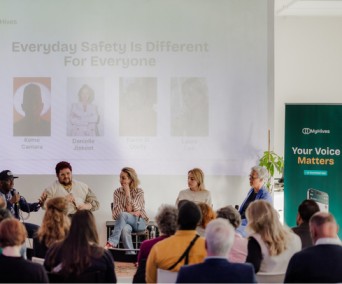
Personal safety is often discussed in terms of what happens when something goes wrong. But meaningful safety support can begin much earlier: when someone is choosing a route, travelling alone, documenting an uncomfortable experience, or deciding whom to turn to when they need help. The challenge is that these situations rarely require the same kind of support. Sometimes, a person needs better information before setting out. At other times, they want someone they trust to know they have arrived. They may need to record an experience that didn't feel right, talk to someone who can help, or respond immediately. A single safety feature cannot address every one of these needs. This is the thinking behind MyHives, an everyday AI safety company building an ecosystem that brings together technology, personal safety information, and human support. Its five core safety features address different parts of the personal safety experience. Together, they offer a broader way to think about everyday safety: not only as a response to emergencies, but as a combination of prevention, awareness, connection, and support.
What Are the Five Core Safety Features of MyHives (Beekon)?
The BEEKON app brings five complementary safety features together in one ecosystem: Safer Navigation, Trusted Check-ins, Log the Moment, Beekeepers, and Panic Response. Each feature serves a distinct purpose, from helping people make informed decisions about their surroundings to connecting them with support when they need it. Together, these features reflect the MyHives approach to personal safety, addressing different needs before, during, and after a difficult situation. By combining proactive safety awareness, practical personal safety tools, and human support in one app, MyHives helps people navigate everyday life with greater awareness and confidence.
1. Safer Navigation: Making More Informed Route Choices
Choosing a route is not always just about distance or travel time. People may also consider how familiar an area is, how comfortable they feel travelling through it, and what they know about the route. Safer Navigation is designed to help users identify and choose routes based on relevant safety information. It can draw on personal logs and community patterns to provide information that supports more informed decisions. The underlying idea is that individual experiences can contribute to a wider understanding of places and routes. Rather than relying on constant personal tracking, this approach uses relevant personal and collective safety information to help people navigate with greater awareness and confidence. Safer Navigation does not guarantee that a route will be safe. Conditions can change, and the information available may not capture every circumstance. Its role is to support decision-making by giving users another source of information when considering how to get where they are going. For anyone exploring personal safety tips for everyday life, considering route information before travelling is one practical way to prepare. It can help people think ahead while recognising that no route or recommendation can eliminate every risk.
2. Trusted Check-ins: Keeping Trusted People in the Loop
Sometimes, peace of mind comes from knowing that someone you trust is aware of your journey. Trusted Check-ins allow users to share a trip with people they trust. The experience is designed to be straightforward: start a journey, share it with trusted people, arrive, and let the check-in end automatically. This reduces the need for someone to remember to send a separate update after reaching their destination. It also gives trusted contacts a clearer understanding of the journey they have been asked to follow. Trusted Check-ins are different from continuous monitoring. Their purpose is to support a specific journey and provide reassurance through an agreed check-in process. They also serve a different role from emergency response. Sharing a journey does not, by itself, establish that someone is in danger or guarantee that help will be sent. The value lies in making it easier for people to stay connected around a particular trip.
3. Log the Moment: From Experience to Insight
Not every uncomfortable experience becomes an emergency. Someone may notice behaviour that concerns them, feel uneasy in a particular place, or experience an incident they want to remember and document. Log the Moment gives users a way to record an experience that felt wrong or uncomfortable. Its significance extends beyond keeping a personal record. Where information can be appropriately and safely shared, individual experiences may contribute to a broader understanding of safety patterns. Over time, this kind of collective insight can help inform how people understand their surroundings and make decisions. The idea is simple: one person's experience may become useful information for someone else. That principle connects directly to the MyHives concept of solidarity. Rather than treating every experience as an isolated event, the ecosystem recognises that shared knowledge may help people make more informed choices. Privacy remains essential. Users should understand what they are recording, what information may be shared, how it may be used, and what controls they have over that information.
4. Bee Keepers: Bringing Human Support into Personal Safety
Technology can provide information, connect people, and help initiate a response. But there are situations where a person needs something technology alone cannot provide: another human being. Bee Keepers represent the human-support side of MyHives. They are trained community members who may serve as volunteers or paid members, depending on the service arrangement. Depending on the situation and the support available, a Bee Keeper may be able to: - Walk alongside someone who would prefer company. - Accompany or escort someone towards a location where they feel safer. - Stay with someone over the phone. - Help someone consider their next steps. - Provide a reassuring human presence during a difficult situation. - The specific support available will depend on local coverage, the circumstances, and the service arrangements in place. Bee Keepers reflect an important principle: personal safety is not only about detecting problems or sending notifications. Sometimes, it is about making human support easier to access. This is what makes the human layer of the MyHives ecosystem significant. It recognises that reassurance, practical assistance, and the presence of another person can matter alongside digital tools.
5. Panic Response: Helping Initiate More Immediate Support
When someone needs urgent assistance, managing the situation can become difficult. They may have to contact several people, explain what is happening, and work out what to do next while already under pressure. Panic Response is the more immediate emergency-support element of the MyHives ecosystem. It is designed to help initiate a response when a user needs urgent help. Depending on the circumstances and the services available, the response process may involve alerting the user's trusted circle, informing trusted people that support is needed, or involving professional responders where available. Live audio or video may also support coordination where these capabilities are provided. The aim is to help reduce the burden on someone who is already dealing with a difficult situation. This is where the wider question of escalation becomes relevant. A safety response is not simply about sending an alert; it is also about what happens next, who can be informed, and how support may be coordinated. It is important to distinguish between initiating a response and guaranteeing an outcome. The actual process depends on the system's available capabilities, connectivity, the user's settings, and the support services accessible in that location. Panic Response should complement, not replace, local emergency services.
How the 5 Features Work Together
The 5 features address different needs, but their value becomes clearer when viewed as parts of one ecosystem rather than as isolated tools. Consider how a person might use them in different circumstances. Before a journey, Safer Navigation can help them consider available route information. During the journey, Trusted Check-ins can keep selected people informed. If an experience feels uncomfortable, Log the Moment provides a way to document it. If the person would benefit from human presence, Bee Keepers may offer support where available. If urgent assistance is needed, Panic Response is designed to help initiate the relevant response. These features do not all perform the same function, and one does not automatically activate the others in every situation. Each addresses a different aspect of personal safety. The broader value lies in bringing prevention, information, human connection, and response into a connected ecosystem.
Why Personal Safety Needs More Than One Solution
Sometimes, people want information that helps them make decisions before a journey. Sometimes, they want reassurance that someone knows where they are going. In other situations, they need to document an experience, access human support, or request urgent assistance. These needs call for different responses. A route recommendation cannot replace human support. A check-in is not the same as an emergency alert. Recording an experience does not, on its own, resolve the concern. And an alert is only one part of a wider response process. By bringing these functions together, MyHives takes a broader approach to everyday safety. It considers the different points at which people may need information, connection, or assistance. It also recognises that safety is not exclusively a technology problem. Useful tools must be supported by clear communication, responsible handling of information, reliable systems, and appropriate human support.
The Role of Technology and Solidarity in Everyday Safety
The idea of solidarity sits at the centre of the MyHives ecosystem. Personal experiences can inform collective understanding. Trusted relationships can provide reassurance. Trained community members can offer practical support. Technology can help connect these elements and initiate a response when needed. Each feature contributes in a different way, but the underlying principle remains consistent: people should have more ways to make informed decisions and access support when they need it. No technology can eliminate every risk or guarantee that every incident will be detected and resolved. What it can do is provide useful information, simplify certain processes, and help people connect with available support. Because everyday safety is about more than what happens in an emergency. It is also about the information, relationships, and support that can make a difference before, during, and after a difficult moment. Explore MyHives to discover how its approach to everyday safety brings technology, prevention, and human support together.